
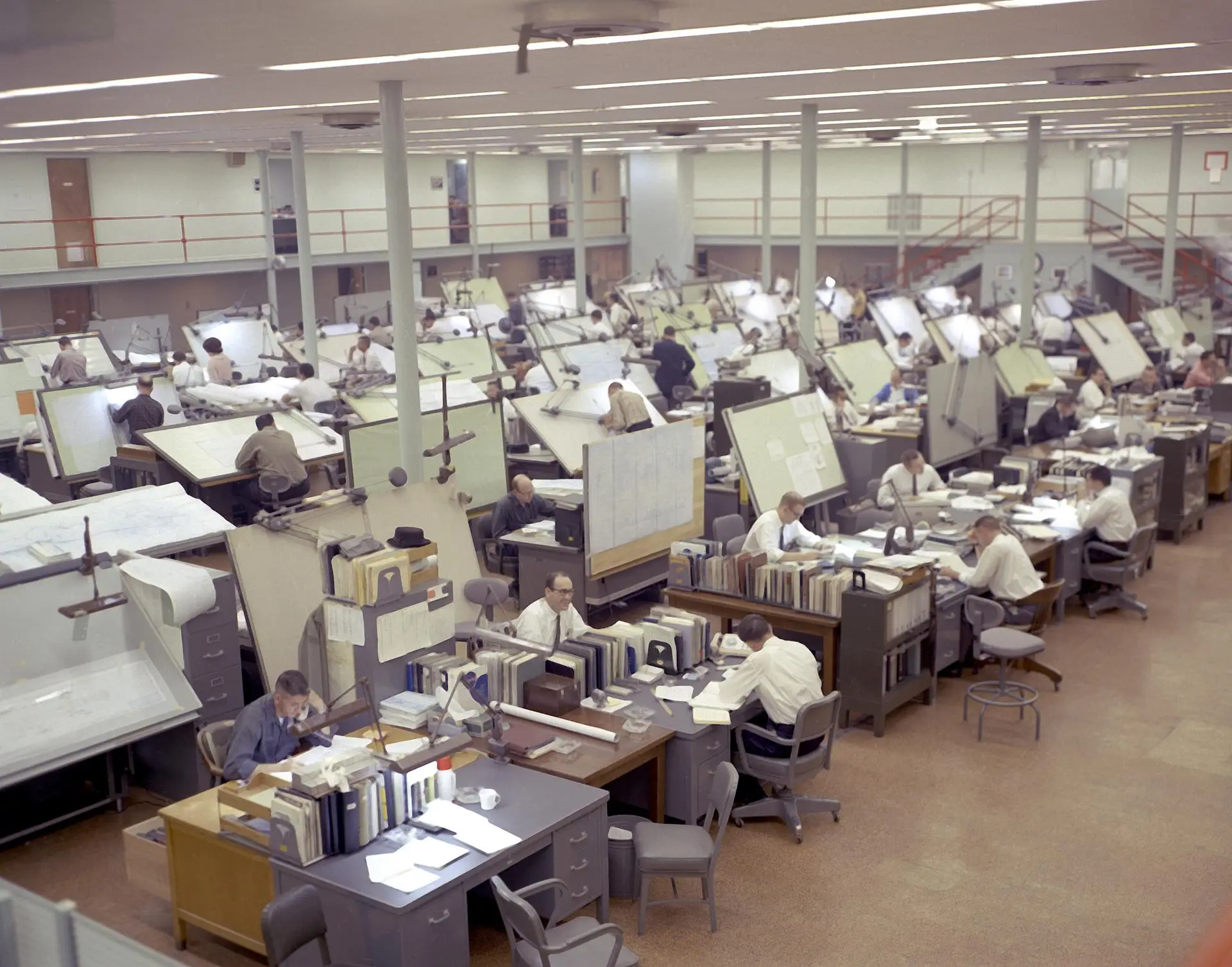
ANNOUNCEMENT OF OPPORTUNITY · 2027
Call for Papers
Show us what you built, broke, tested, measured, discovered, defended, or still can’t explain. Bring your work to a room of hackers, operators, engineers, and researchers working on space security.
SUBMISSIONS OPEN
Through
Decisions: .
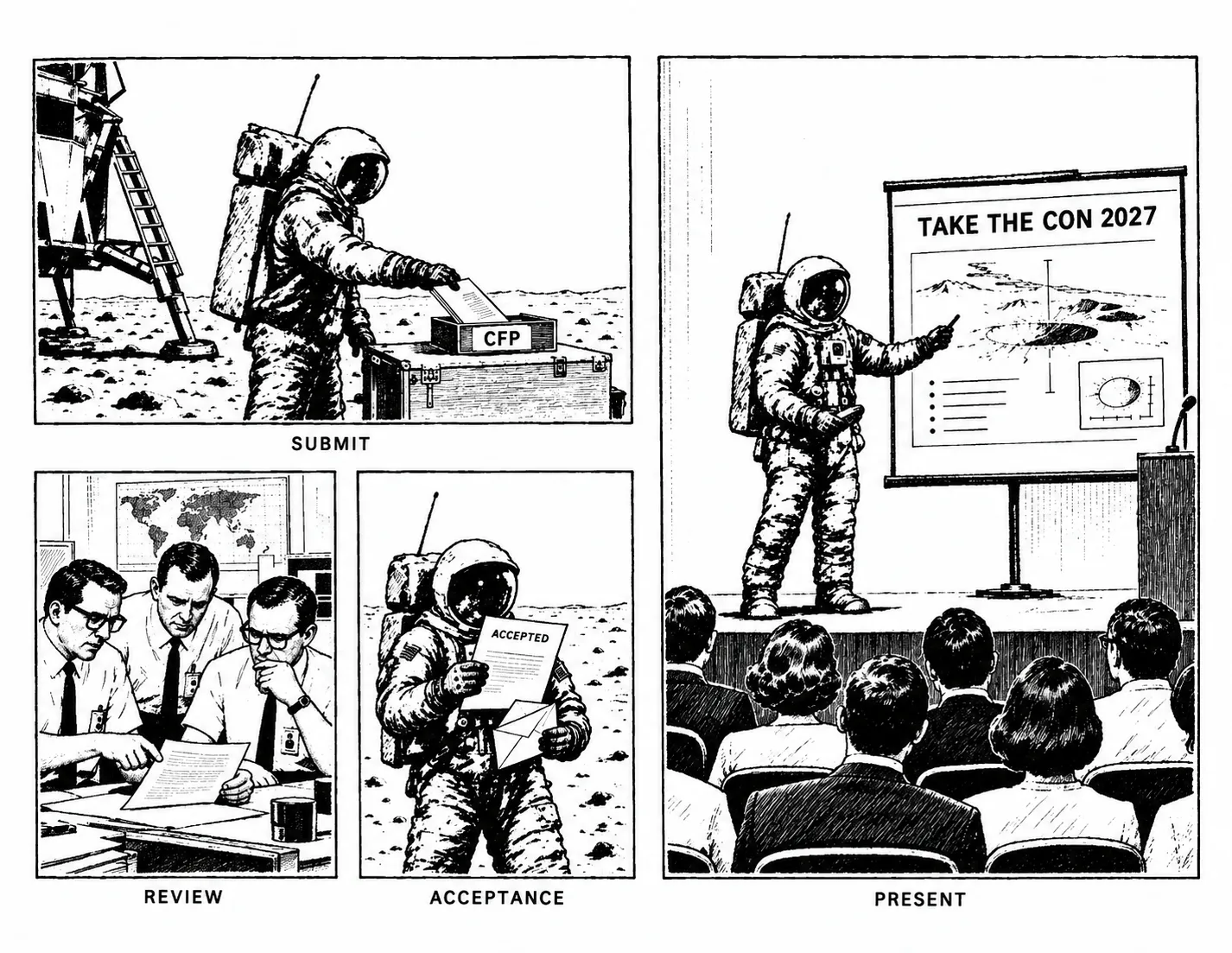
FIG. 1 — FROM PROPOSAL TO PRESENTATIONORIGINAL ILLUSTRATION · INSPIRED BY NASA’S APOLLO 11 PRESS KIT, PDF P. 15 (opens in a new tab)
Topics of interest
Specific work. A clear connection to space security. These are starting points; research that crosses categories is welcome.
- Offensive Security
- Vulnerability research, exploitation, reverse engineering, hardware and firmware security, RF attacks, novel attack paths, and red teaming.
- Defensive Security
- Detection, resilience, secure architectures, cryptography, authentication, hardening, testing, and incident response.
- Spacecraft & Mission Systems
- Spacecraft buses, payloads, flight software, telemetry, tracking and command (TT&C), ground systems, mission networks, GNSS/PNT, constellations, launch, and supporting infrastructure.
- Research & Engineering
- New methodologies, experiments, security models, prototypes, tools, testbeds, simulations, standards, and applied research.
- Operations & Lessons Learned
- Threat modeling, mission assurance, security testing, operational constraints, case studies, failures, and lessons from real aerospace environments.
- Emerging Topics
- AI/ML, autonomy, post-quantum security, cislunar systems, space-to-space communications, commercial space, supply-chain security, and other emerging threats or technologies.
Other technical, academic, research, policy, or operational topics relevant to space cybersecurity are encouraged. Tell us what your work changes, reveals, or helps people do.
What makes a good talk
A narrow, deep talk about one real problem is worth more than a broad survey. Favor evidence, demonstrations, lessons learned, and meaningful takeaways. Give people from other disciplines enough context to follow your work.
First-time speakers are welcome.
What we don’t want
No product pitches. No marketing talks. No disguised sales presentations. Industry research is welcome, but the focus must be on the research, problem, technique, evidence, or lessons learned.
We’re also not looking for generic Cybersecurity 101 or Space 101 presentations. Bring something specific for the room to examine.
Talk format
30-minute technical presentations. Build your proposal around what you can explain well in that time.
Presentations will not be recorded or publicly distributed by Take the Con. Speakers remain responsible for ensuring that all material presented is authorized for public disclosure.
Responsible disclosure
If your talk includes newly discovered vulnerabilities, coordinate disclosure with the affected vendors or operators before presenting.
You may submit while that coordination is still underway. Include its current status and any timing constraints in your proposal so Flight can consider them during review. Keep undisclosed exploit details and sensitive material out of the initial submission.
The presentation is public, even though Take the Con will not record or distribute it.
Submit your proposal
Send a proposal for a 30-minute talk to briefings@takethecon.org. Include:
- Talk title and abstract. The problem, what you did or found, and what attendees will take away.
- Speaker details. Your name, a short bio, and affiliation, if any.
- Talk outline. A few substantive bullets showing how the talk will unfold and where you will spend your time.
- Supporting material. Evidence, planned demonstrations, or links that help us understand the work.
- Previous presentations. If you have presented this work elsewhere, tell us where and what has changed.
- Disclosure status. Any coordination underway or constraints on what you can present.
- Demo requirements. Note any equipment, AV, or connectivity needs for a demonstration.
A proposal is enough; you do not need to send a finished paper or slide deck. Flight will review submissions for potential inclusion in the 2027 program.
Closes .